Explore our pillars of research focus
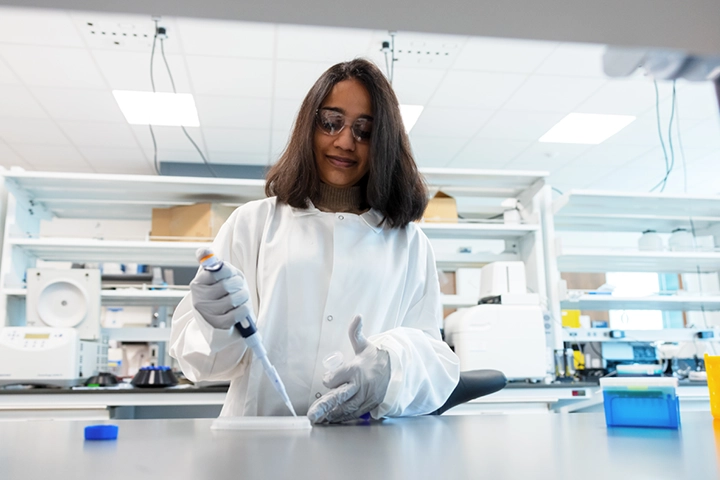
Pillars of research focus
We are dedicated to fostering a multidisciplinary research environment that advances technological approaches to complex health challenges. This commitment is reflected in our focus on developing comprehensive biomedical technologies, including:
Biomedical engineering and device innovation
Researchers design next-generation diagnostics, sensing technologies, and therapeutic devices. Efforts emphasize translational pathways from prototype development to clinical validation and commercialization.
Computational bioscience and artificial intelligence
Faculty integrate advanced modeling, AI, and data science approaches to decode complex biological systems, improve predictive analytics, and support precision medicine initiatives.
Advanced materials and biotechnology
Interdisciplinary teams develop biomaterials and biotechnologies with applications in regenerative medicine, drug delivery, and real-time diagnostics.
Point-of-care and translational technologies
Research aligns directly with clinical partners to move laboratory innovation into deployable technologies that improve patient outcomes and healthcare delivery efficiency.
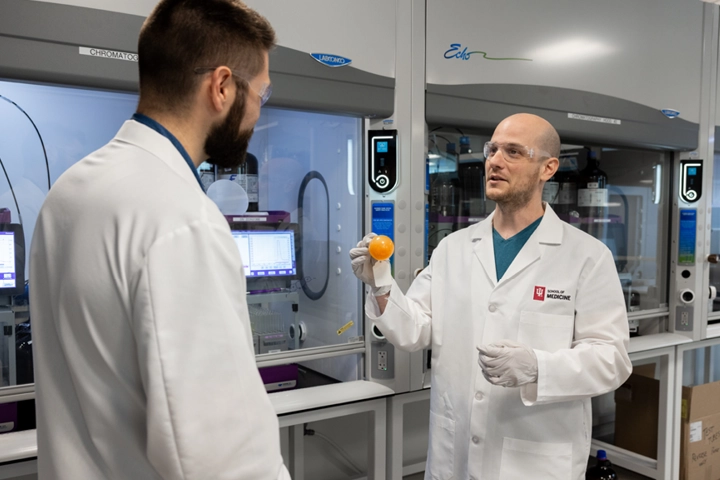
Research impact areas
Our biomedical technology research has broad and diverse use cases across industries.
Examples of research that might fall within the above areas of interdisciplinary focus include, but are not necessarily limited to:
1. Materials and Devices
Physical technologies, implantables, and engineered materials.
- Wearable/Implantable Detection and Rehabilitation:
- Expertise in integrating wearable technology with implantable devices for comprehensive patient monitoring and rehabilitation solutions.
- Biohybrid/Bioinspired Materials:
- Specialization in developing materials that mimic biological structures and processes, enhancing the functionality of implants and drug delivery systems.
- Robotics Engineering:
- Focus on the design of robotic systems that can be used in surgical implants or as part of smart drug delivery mechanisms, improving precision and control.
- Nanotechnology/Nanomaterials:
- Focus on developing nanoscale materials that improve the capabilities of sensing technologies, new implantable devices, and smart drug delivery systems.
- Bio-Machining/Bio-Manufacturing/Bio-Fabrication:
- Focus on the production of technologies that can create complex biological and synthetic structures for use in implantable devices and drug delivery systems.
- Ultrasound/Image-Guided Therapeutics:
- Expertise in integrating imaging technologies with new implantable devices and smart drug delivery systems to guide therapeutic interventions.
2. Computational & Molecular Science
Data-driven, algorithmic, and molecular-level mechanisms.
- Computational Biology/Bio-Health Informatics:
- Expertise in data analysis and simulation tools that support the development and optimization of new implantable and molecular assessments.
- AI-Facilitated Molecular Simulation/Discovery:
- Focus on using artificial intelligence to simulate and discover new molecular structures for use in sensing technologies and smart delivery systems.
- Genome Editing:
- Specialization in precise genetic modifications to enhance the effectiveness of new implantable devices and smart drug delivery systems.
- Optics/Quantum Characterization:
- Specialization in the use of optical and quantum methods to improve the precision and efficacy of molecular assessments and sensing technologies.
3. Clinical & Translational Applications
Real-world disease, human biology, and therapeutic integration.
- Bacterial Pathogenesis and Antibiotic Resistance:
- Specialization in studying bacterial mechanisms that could be targeted by new molecular assessments and smart drug delivery systems.
- Regenerative Biology/Medicine:
- Expertise in regenerative techniques that can be supported by molecular assessments to create new therapies and enhance implantable devices.
Collaborate with us
Contact
Indianapolis
IU Convergent Bioscience and Technology Institute
535 W Michigan St
Indianapolis,
IN
46202
USA